Hosted identity with deeper brand control

Guardhouse vs Auth0

Guardhouse brings hosted login, an integrated profile and security portal, low-code authorization, human and machine identity, and deployment choice into one product. Auth0 remains a strong fit for teams that value its larger ecosystem and wider managed-cloud footprint.

Why teams choose Guardhouse over Auth0

Guardhouse advantage

Choose Guardhouse when

You want to ship a deeply branded identity experience without assembling separate login, account-management, authorization, and machine-access products.

  • Hosted login and the user profile and security portal share one branding system, including advanced HTML and CSS on every plan.
  • Roles, direct permissions, organizations, OAuth clients, APIs, and service identities are managed in one control plane.
  • Migration assistance and bulk import are available across plans; Enterprise adds a choice of customer-operated or LegioSoft-operated deployment, plus BYOK.

Where Auth0 fits

Choose Auth0 when

Its broader SDK catalog, established integration marketplace, or additional managed-cloud regions matter more than Guardhouse packaging and deployment ownership.

  • A large SDK and quickstart catalog covers many application stacks.
  • The Marketplace and partner network can reduce work when a required integration already exists.
  • Six public-cloud regions and Auth0-managed Private Cloud provide more vendor-operated location choices.

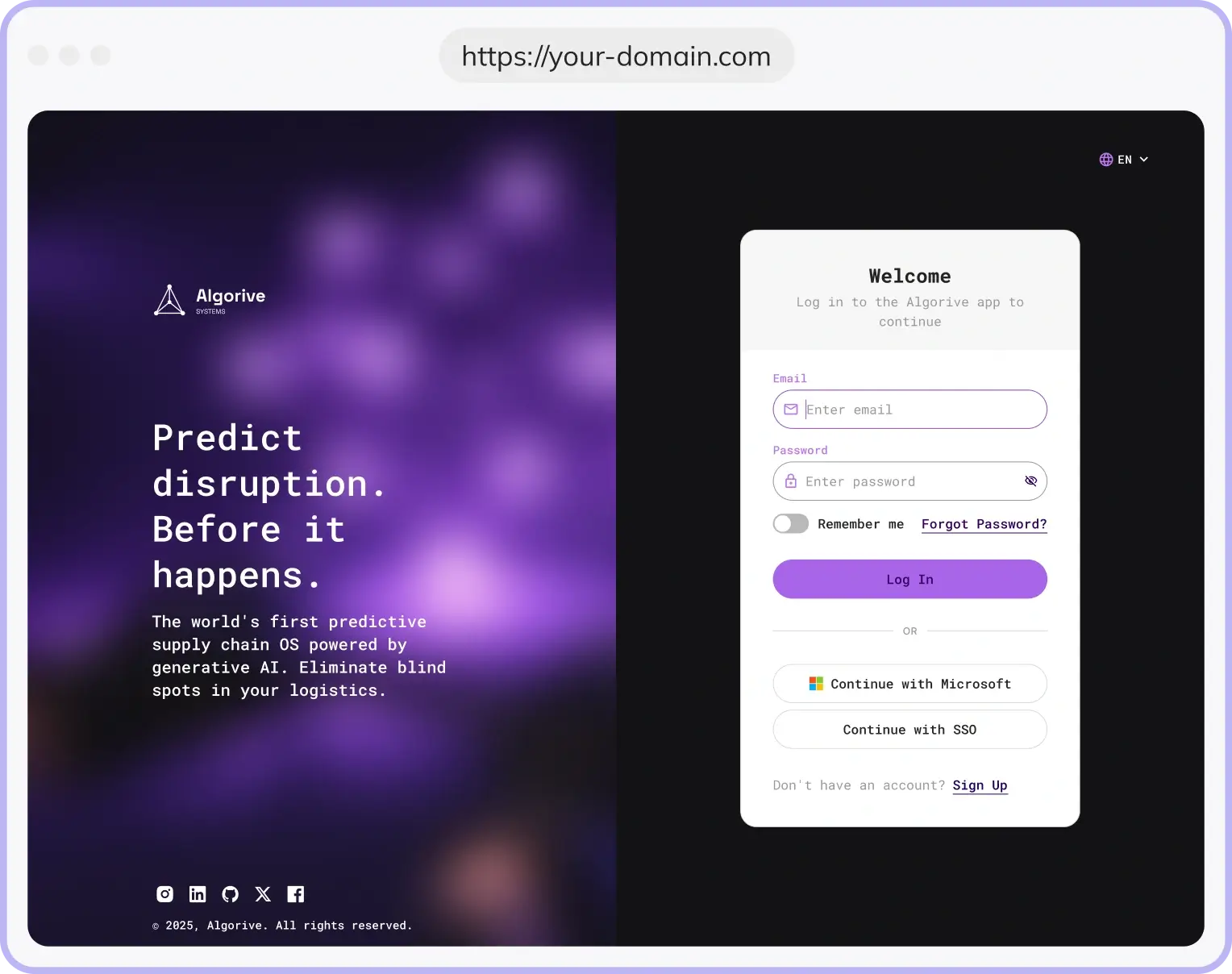
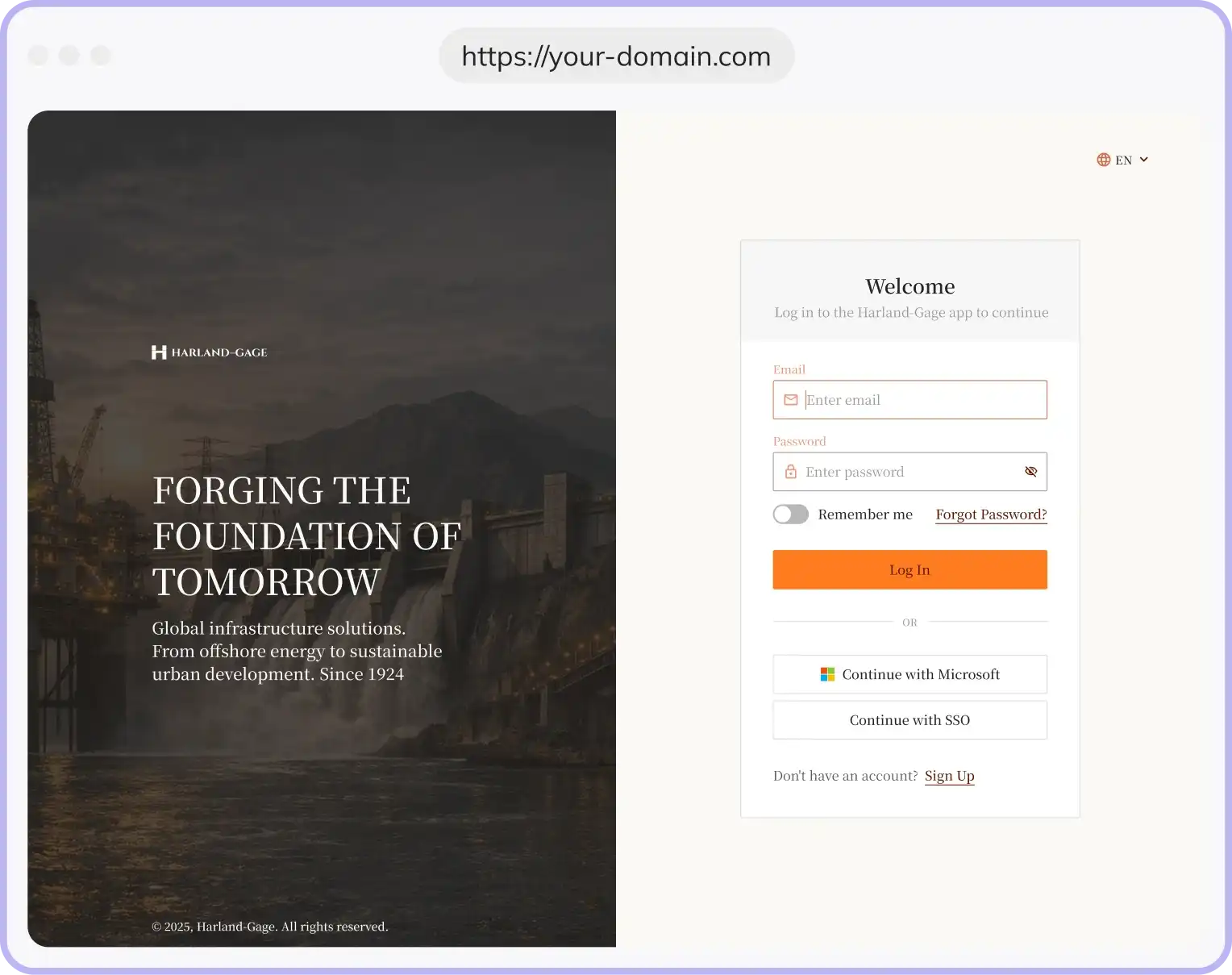
Your login should look like your product, not your identity vendor

Guardhouse applies your layout, typography, imagery, colors, content, and domain to the hosted experience. The same platform also provides the account-security and profile journey after sign-in.

A dark, purple branded Guardhouse sign-in experience on a custom domain
Custom typography, layout, imagery, providers, and sign-in options.
A light editorial Guardhouse sign-in experience on a custom domain
A second design using the same Guardhouse-hosted pages.

See what Guardhouse gives your team

Compare the customer experience, access model, implementation work, pricing, and deployment choices. Use the filters to focus on the decision your team is making.

Filter by category

Authentication

Product focus and ideal customer

Guardhouse

One identity layer for products, users, and services

Combines hosted customer identity, an account-security portal, low-code authorization, Organizations on Business and above, and machine identity. Enterprise adds SSO, provisioning, and deployment control.

Auth0

Available

Broad managed CIAM

Serves B2C and B2B applications with Organizations, enterprise connections, provisioning features, and optional advanced services.

Authentication methods

Guardhouse

Password, passwordless, social, MFA, passkeys, and SSO

Includes email/password, single-use magic links, four social providers, TOTP MFA, trusted devices, and passkeys. Business and Enterprise plans add SSO.

Auth0

Database, passwordless, social, and enterprise connections

Supports email, username, or phone identities, passkeys, email/SMS passwordless, social providers, and a broad enterprise-provider catalog. Some newer database-integrated passwordless flows remain Early Access.

OAuth/OIDC and API protection

Guardhouse

One OAuth layer for users, APIs, and services

Authorization Code with PKCE, Refresh Token, and Client Credentials flows share APIs, audiences, scopes, signed JWTs, JWKS validation, and optional introspection.

Auth0

OAuth 2.0, OIDC, and JWT API authorization

Issues scoped JWT access tokens for registered APIs and supports standard interactive and service flows; the Authentication API also documents FAPI and SAML.

MFA and passkeys

Guardhouse

Built-in MFA, recovery, trusted devices, and passkeys

Authenticator-app MFA, recovery codes, configurable remembered devices, and WebAuthn enrollment and sign-in are managed alongside the user account.

Auth0

Broad MFA factor set and passkeys

Offers TOTP, email, phone, push, WebAuthn, recovery codes, and Duo. Passkeys are listed on every plan; Pro and Enterprise MFA capabilities are plan-gated.

Authorization

Roles and permissions

Guardhouse

Low-code roles and fine-grained permissions

Teams manage roles and direct or inherited permissions in the admin console or API, then emit them as token claims alongside OAuth scopes.

Auth0

Plan, add-on, or setup dependent

Core RBAC with optional FGA

Roles and API permissions can be assigned through the Dashboard or Management API and included in access tokens. Public pricing lists Role Management from Essentials upward.

Sessions and revocation

Guardhouse

User-visible session controls and API revocation

Users and administrators can inspect and revoke browser and OAuth sessions. APIs can reject revoked tokens on their next introspection check; locally validated JWTs remain valid until expiry.

Auth0

Available

Session and refresh-token revocation

Sessions and associated refresh tokens can be revoked. Self-contained JWT access tokens remain valid until expiry and should be short-lived where that matters.

Branding

User self-service

Guardhouse

Hosted profile and account-security portal

Users manage profile data, password, linked identities, passkeys, browser and OAuth sessions, data export, and account deletion in the same branded hosted experience.

Auth0

Plan, add-on, or setup dependent

API building blocks for an application-owned portal

The My Account API supports self-service account and authentication-method features, while Universal Login hosts password and verification flows. A complete hosted profile portal is not documented.

White-label branding

Guardhouse

Deep branding across login and account journeys

Every plan includes themes, brand assets, seven languages, and advanced per-page and per-state HTML/CSS for both hosted login and the profile portal.

Auth0

Highly configurable Universal Login

No-code themes, branding APIs, localized text, and Liquid page templates support deep login customization. Some advanced signup and login customization is plan-gated.

Custom domains

Guardhouse

Customer-portal custom-domain wizard on every plan

Customers configure their domain through a simple portal workflow, with Guardhouse support available when DNS or rollout needs attention.

Auth0

Available

One custom domain on current plans

Current pricing lists one domain on Free, Essentials, and Professional; Free requires card verification. Multiple domains are an Enterprise capability.

Transactional email

Guardhouse

Branded email with 17 editable templates

Teams can use SMTP, Postmark, SendGrid, or Amazon SES and preview or test verification, recovery, invitation, security, and account emails.

Auth0

Available

Customizable identity-workflow emails

Provides templates for verification, recovery, invitations, passwordless, MFA, and security events. Custom templates require an external email provider and are HTML-only.

Pricing

Pricing model

Guardhouse

Published plans with substantial included usage

Startup is $50/€45 per month with 100,000 MAU, 10,000 M2M tokens, and 1,000,000 introspections. Business is $250/€225 with 500,000 MAU, 100,000 M2M tokens, and 5,000,000 introspections; Enterprise is contract-priced.

Auth0

Plan, add-on, or setup dependent

MAU tiers, feature plans, and add-ons

The Auth0 B2C monthly selector displayed $35 for Essentials and $240 for Professional at 500 MAU; Free allows up to 25,000 MAU. Prices change with use case, MAU tier, billing cycle, and add-ons.

Developer experience

User administration

Guardhouse

Integrated administration console and API

Admins can search, invite, create, update, block, anonymize, delete, reset credentials, and assign roles or permissions without a separate user-management product.

Auth0

Available

Dashboard and Management API

Admins can create, view, modify, search, block, and delete users, subject to connection and plan behavior.

Webhooks

Guardhouse

Operational user lifecycle webhooks

User-created and user-updated events include HMAC signatures, retry controls, secret rotation, and delivery history.

Auth0

Plan, add-on, or setup dependent

Event Streams to webhooks and other destinations

Can forward supported identity events to webhooks, AWS EventBridge, or Actions. The current Dashboard and documentation label Event Streams as Early.

SDKs and frameworks

Guardhouse

Available

First-party SDKs plus standards-based integration

.NET/ASP.NET Core and React are the primary SDKs. Node.js, React Native, and Python are beta, with FastAPI and Flask helpers; standard OIDC works beyond that set.

Auth0

Large maintained SDK and quickstart catalog

Covers major SPA, server-rendered web, backend API, native/mobile, and Management API stacks.

Migration assistance

Guardhouse

Migration assistance and bulk import across plans

Guardhouse can support export mapping, bulk user import, validation, and cutover. Scope and responsibilities are agreed for the source system and rollout.

Auth0

Available

Export tooling, Professional Services, and partners

User profiles can be exported by job. Password hashes and MFA secrets require an eligible, encrypted support-request process. Professional Services and partners are available separately.

Support and ecosystem

Guardhouse

Direct support aligned to the plan

Business includes priority support. Enterprise support, account management, and any response commitments are tailored to the customer agreement. Migration assistance is scoped directly with the Guardhouse team.

Auth0

Layered support, Marketplace, and partners

Free includes community support, paid self-service plans add standard support, and Enterprise can add Premier Success. A broad Marketplace and partner network extend the platform.

M2M and AI

M2M authentication

Guardhouse

Human and machine identity in the same plan

Scoped Client Credentials use the same APIs, audiences, and permissions as user access. Startup includes 10,000 M2M tokens per month; Business includes 100,000.

Auth0

Plan, add-on, or setup dependent

Client Credentials with issuance quotas

Current pricing lists 1,000 included M2M authentications on Free and Essentials and 5,000 on Professional and Enterprise. M2M add-ons are limited to Professional and Enterprise.

AI agents and MCP servers

Guardhouse

OAuth protection for agents, APIs, and MCP servers

Agent and System/MCP resource types use Client Credentials, scopes, signed JWTs, JWKS validation, and optional introspection in the same identity platform.

Auth0

Dedicated agent and MCP capabilities

Auth for MCP covers discovery, registration, scoped access, and token exchange; Token Vault handles delegated third-party API tokens. Exact access varies by plan, add-on, and feature release stage.

Deployment

Cloud regions

Guardhouse

Available

Straightforward USA or EU cloud choice

Teams choose the USA or EU Guardhouse Cloud region during setup, then move to Enterprise deployment options when they need more infrastructure control.

Auth0

Six public-cloud regions plus private-cloud choices

Public Cloud supports Australia, Canada, Europe, Japan, the UK, and the US. Private Cloud adds AWS and Azure regional options by contract.

Self-hosting and deployment ownership

Guardhouse

Enterprise deployment choice and BYOK

Enterprise can be customer-operated as a Docker deployment or operated by LegioSoft. The hosting model and responsibilities are tailored to customer requirements; customer-controlled encryption keys are also available.

Auth0

Plan, add-on, or setup dependent

Public Cloud or Auth0-managed Private Cloud

Private Cloud is a dedicated managed service on AWS or Azure. Auth0 does not document a customer-operated self-hosted distribution.

What changes when you choose Guardhouse

Pricing and scaling

Guardhouse Startup costs $50/€45 per month and includes 100,000 MAU, 10,000 M2M tokens, and 1,000,000 introspections. Business costs $250/€225 and raises those allowances to 500,000, 100,000, and 5,000,000.

Auth0 combines MAU tiers, B2C or B2B use cases, feature plans, and add-ons. Its Free plan supports substantial user volume, but required production features or M2M issuance can determine the paid tier before MAU does.

  • Guardhouse packages hosted identity, authorization, and machine access into the same published plan bands.
  • For either product, model MAU, M2M token issuance, and token validation using the application’s real traffic pattern.

Branding and customer experience

Guardhouse owns the full hosted journey: login, profile, linked identities, passkeys, sessions, account deletion, and email templates and delivery. Every plan includes advanced per-page HTML/CSS and a customer-portal custom-domain wizard, so the experience can match the product without building a separate security portal.

Auth0 Universal Login offers themes, localized text, branding APIs, and Liquid customization. Its My Account capabilities are API-led, so teams typically build and maintain the surrounding end-user account interface themselves.

  • Guardhouse applies one branding system across both authentication and account self-service.
  • Auth0 is a good fit when Universal Login alone covers the hosted experience the application needs.

Developer experience

Guardhouse reduces application work with hosted login and account surfaces, dashboard-managed roles and permissions, and shared OAuth resources for user and service access. .NET/ASP.NET Core and React are the primary SDKs; Node.js, React Native, and Python are beta, with standards-based OIDC available outside that set.

Auth0 has the broader maintained SDK, quickstart, Marketplace, and partner footprint. That breadth can be decisive when a team needs first-party guidance for many frameworks or a specific Marketplace integration.

  • Guardhouse removes the need to build login, profile, session, and account-security screens.
  • Check SDK maturity for every client; use protocol-standard OIDC where a first-party SDK is unnecessary.

Infrastructure and deployment

Guardhouse starts with a primary USA or EU Cloud region. Enterprise can be customer-operated as a Docker deployment or operated by LegioSoft, with the hosting model and responsibilities tailored to customer requirements. BYOK is available when encryption control is a buying requirement.

Auth0 Public Cloud covers six regions, while its Private Cloud is an Auth0-managed dedicated service on AWS or Azure. It offers broader vendor-operated regional coverage but not a documented customer-operated distribution.

  • Choose Guardhouse when customer-operated deployment ownership is a requirement.
  • Choose Auth0 when broader managed regional coverage is more important than running the platform yourself.

Security and access control

Guardhouse keeps authentication and authorization in one admin model: roles, direct permissions, token claims, OAuth scopes, Organizations on Business and above, and Enterprise SSO, SCIM, and directory sync. Teams can cover common product access rules without adding a separate authorization service.

Auth0 covers the same protocol foundation and offers a broader factor catalog plus optional advanced services. With either product, a self-contained JWT remains valid until expiry; Guardhouse APIs use introspection when they require current revocation status.

  • Guardhouse roles and fine-grained permissions are managed alongside users, organizations, APIs, and service clients.
  • Check Auth0 plan gates for required MFA, role-management, and advanced-security features.

Migration considerations

Guardhouse offers migration assistance and bulk import across plans. The agreed scope can cover user mapping, application and API configuration, branding, validation, and cutover.

Auth0 exports user profiles through an asynchronous job. Password hashes and MFA secrets require a separate encrypted support request and eligibility review, so obtain export confirmation before fixing the cutover date. Existing Auth0 sessions and tokens still require a fresh sign-in or an expiry window.

  • Bulk import and hands-on migration assistance are available across Guardhouse plans, with scope agreed before rollout.
  • Stage user mapping and application changes before changing the production issuer.

When Auth0 may be the better choice

Auth0 remains a sensible choice when its ecosystem or managed-service breadth maps directly to your requirements.

Migrating from Auth0

Guardhouse offers migration assistance and bulk import across plans, with scope agreed for the source system and rollout. Treat the move as an identity-platform cutover: inventory each Auth0 tenant, connection, application, API, organization, and user population with the Guardhouse team.

Available across Guardhouse plans

Migration support, scoped with your team

Migration assistance and bulk import are available across Guardhouse plans. Coordinate and agree the export format, transformations, credential handling, validation, staged rollout, and rollback with the Guardhouse team.

What usually needs to move

  • User profiles, metadata, stable application-level identifiers, credential material available from Auth0, and reset handling for credentials that cannot move.
  • Social and enterprise connection configuration, organization memberships, provisioning mappings, provider credentials, and identity-linking rules.
  • Applications, callback and logout URLs, APIs, audiences, scopes, roles, permissions, and custom token claims.
  • Hosted login branding, custom-domain DNS, identity-email providers and templates, and operational webhooks.

Recommended sequence

  1. 1 With Guardhouse, export and reconcile users and request password-hash or MFA-secret exports early when credential continuity matters.
  2. 2 Map Auth0 applications, APIs, roles, claims, organizations, enterprise connections, and provisioning rules to Guardhouse.
  3. 3 Run the assisted bulk import in a non-production environment and update one application and API first.
  4. 4 Test login, account recovery, MFA/passkeys, API authorization, M2M token caching, email, webhooks, and revocation behavior.
  5. 5 Cut over the issuer and domain in a controlled window, monitor failures, and retire Auth0 only after old tokens and fallback needs have cleared.

Application and SDK changes

Replace Auth0 SDK or middleware configuration with Guardhouse SDKs or standard OIDC middleware. Update issuer, discovery and JWKS URLs, client credentials, callback/logout URLs, audiences, scopes, and any code that depends on Auth0-specific claims or Management APIs.

Users and existing sessions

Auth0 profile exports are available by job, while password hashes and MFA secrets require a separate encrypted support request and eligibility review. Guardhouse can bulk-import the agreed dataset; preserve stable application identifiers and give users a clear reset path where secrets are unavailable.

Auth0 authorization-server sessions, refresh tokens, and issued JWT access tokens cannot be imported into Guardhouse. Users must authenticate again. Old Auth0 JWTs can remain valid until expiry unless the receiving API stops trusting the old issuer sooner.

Sources

Competitor details were checked against official product, pricing, and documentation pages on July 20, 2026. Plans and release stages can change.

Move from Auth0 with a migration team beside you

Guardhouse migration assistance and bulk user import are available across plans. We agree the scope for users, applications, authorization, integrations, and cutover with your team.